











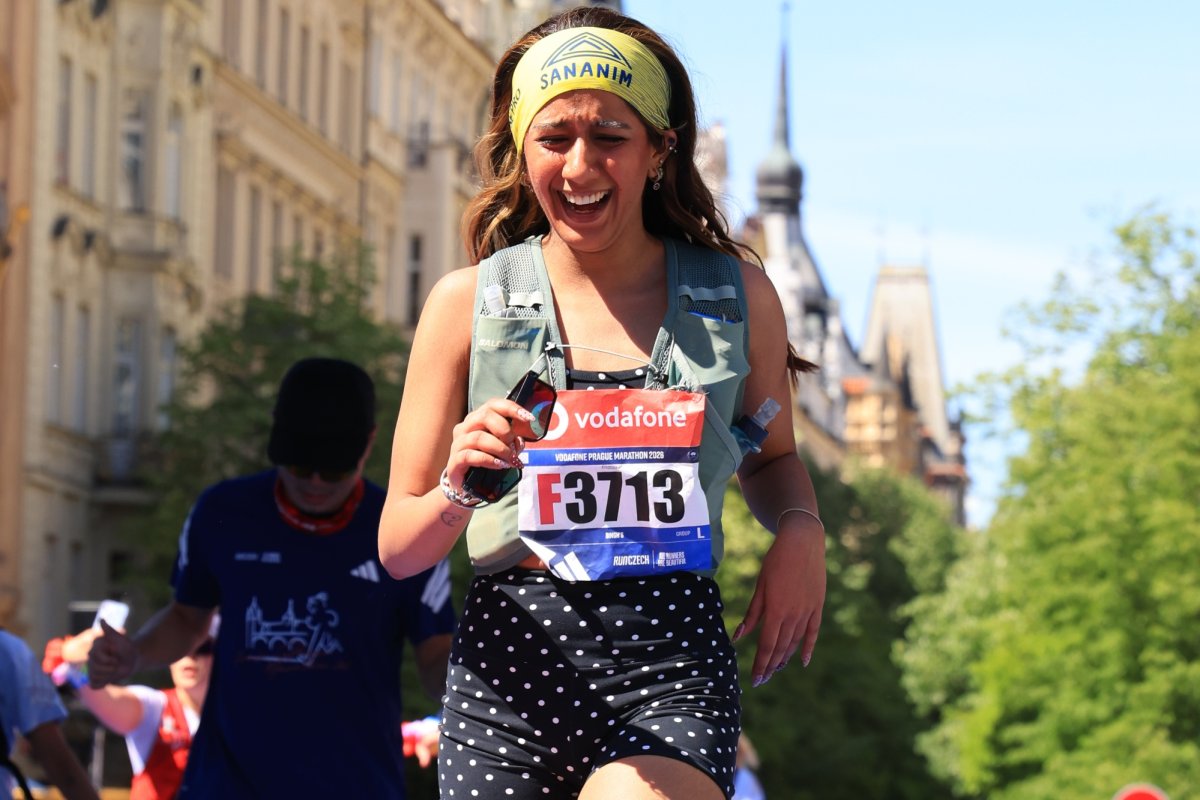
Inspired by a personal loss connected to addiction, medical student Michelle Singh decided to turn her participation in the Prague Marathon into a fundraising campaign supporting SANANIM and its football team’s journey to the Homeless World Cup 2026. Through the initiative, she hopes not only to raise funds, but also to challenge the stigma surrounding addiction.
How did the idea of combining marathon running with support for people with addiction come about?
Earlier this year, I decided to run the Prague Marathon, and I knew I didn’t want it to be just about finishing a race. I wanted it to mean something.
A few years ago, I lost my mom after her battle with addiction. It’s something that stays with you in ways that are hard to explain — not just the loss, but also how misunderstood addiction still is. For a long time, I saw how much stigma surrounds it, and how easily people reduce it to a “choice” instead of seeing the person behind it.
So I wanted to run for something that felt personal — to honor her and to speak, even in a small way, for people going through something similar.
Why did you decide to collaborate with SANANIM?
When I found Sananim, it just felt right. Their work isn’t distant or abstract — it’s real, it’s compassionate, and it meets people where they are. They help without judgment, and they see addiction for what it is, i.e., a complex health condition that deserves care, not stigma.
Supporting Sananim felt like supporting the kind of understanding and humanity I wish more people had.
Why did you choose running for this fundraising project?
I chose running because I wanted this to be more than just me finishing a marathon. Training for it takes a lot out of you — time, consistency, pushing yourself on days you really don’t feel like it — and I liked the idea of putting all of that towards something that actually matters.
It also felt like a simple way to get people’s attention. Running a marathon is something people can see and connect with, so if that makes even a few more people stop, read about the cause, or think differently about addiction, then it’s worth it.
How did the race go?
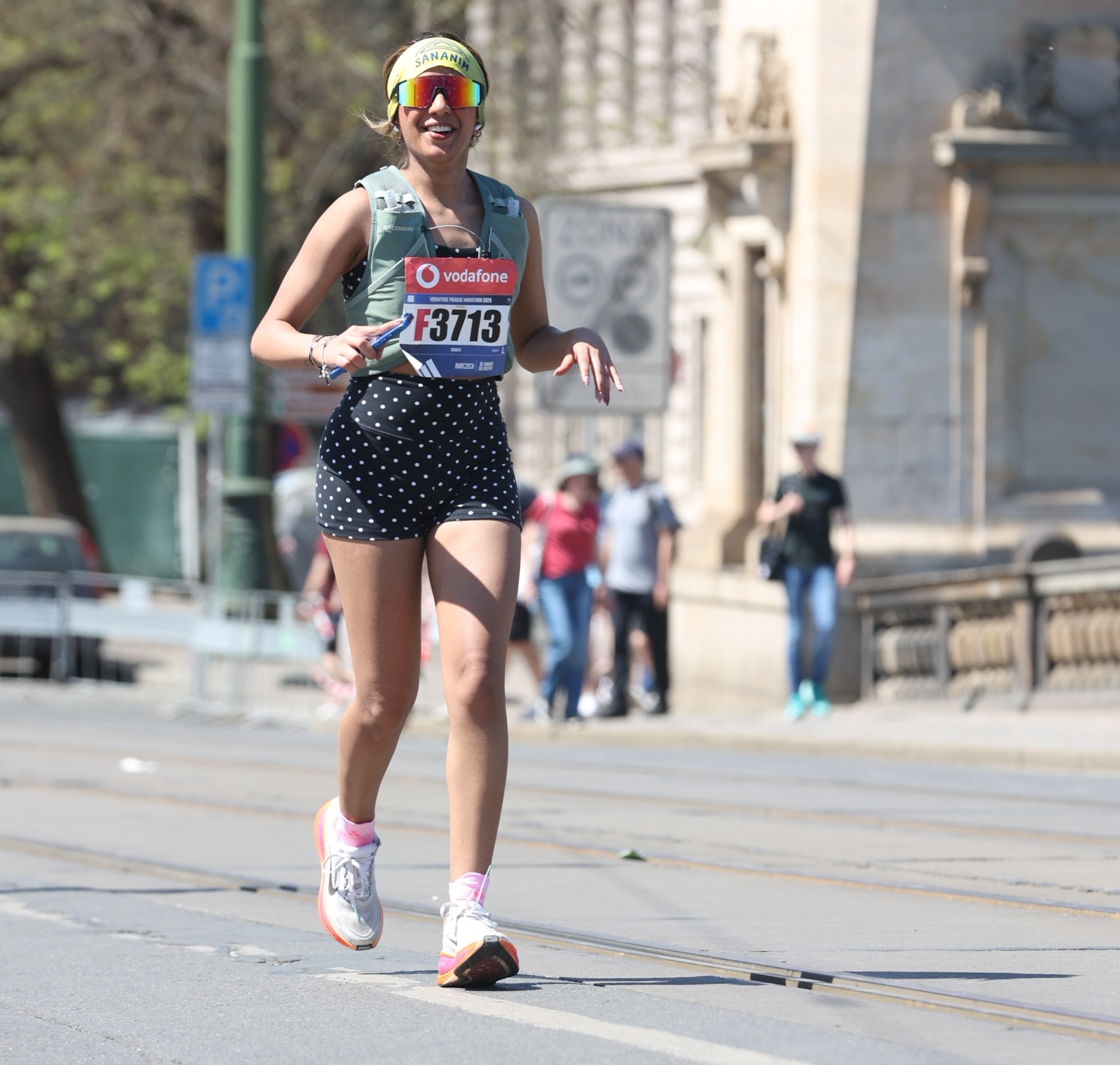
It was hard, not gonna lie — but in a good way. Knowing why I was running kept me going, and overall it was a really meaningful experience.
Are you planning to do anything else in this area?
I haven’t planned anything specific yet, but I’d like to stay involved, whether through volunteering, awareness work, or even connecting this interest with my medical training in the future.
I think there’s a lot more that can be done in reducing stigma and improving how we approach addiction. I’ve also found myself really drawn to people’s stories — I’ve read a few about players who made it to the Homeless World Cup and completely turned their lives around, and that honestly stayed with me.
It’s inspiring to see that kind of resilience, and it’s a reminder that there’s still a lot of positivity and strength in people, even in difficult situations. It’s a really good feeling to know that change is possible.
Why isn’t addiction a weakness, but a health condition? Why is this important?
When I was younger, I saw addiction as a matter of choice. But as a medical student, I’ve learned that it involves real changes in brain systems that control reward, motivation, and self-control — making it a medical condition, not simply a lack of willpower.
This perspective matters because it changes how we treat people. We respond to physical illnesses with care, but people with addiction are often judged, even though their ability to “just stop” is significantly impaired. Understanding addiction as an illness reduces stigma and encourages people to seek help earlier.
For me, this shift in thinking started with my dad. He helped me understand that addiction is a sickness, and that those affected are often suffering more than those around them. It showed me how one person’s perspective can change the way many others think — and that’s the message I hope to pass on.
mal